How Nutritionists Manage 100+ Clients (Simple System That Actually Works)
Most nutritionists don’t fail because of bad plans.
They fail because they can’t manage clients at scale.
How nutritionists manage clients comes down to a repeatable nutrition client management rhythm—not just handing people a PDF meal plan. Modern nutritionists are shifting to structured systems like InGreedX Studio so tracking, follow-ups, and clarity scale without drowning in screenshots and chats.
Most people think nutritionists just give diet plans. That’s not true—they follow a system to manage clients, track progress, and keep them consistent.

Here’s what that actually looks like 👇
How do nutritionists manage clients day-to-day?
If you’re searching for how dietitians manage clients, how nutritionists track clients, or the nutrition coaching process, it usually boils down to the same loop:
A simple breakdown:
- Onboard client with goals and habits
- Create a personalized plan
- Track meals daily
- Run weekly check-ins
- Adjust based on progress
The sections below unpack each step—and where practices usually break.
Nutrition client management — onboarding (get clarity first)
- Goals (fat loss, PCOS, muscle gain)
- Lifestyle & habits
- Food preferences
👉 Without this, plans fail.
Personalized plan
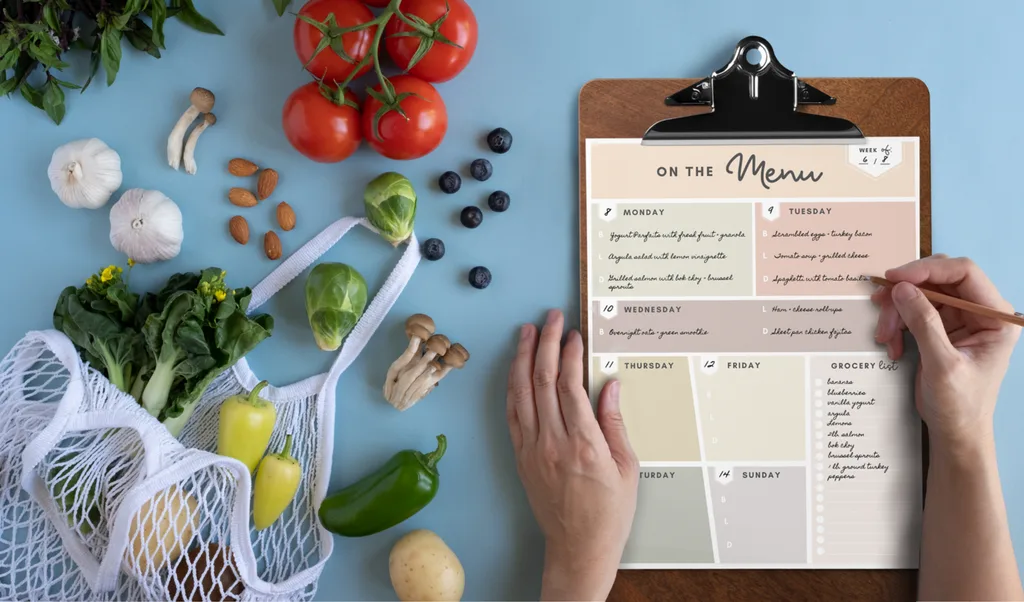
- Meals + portions
- Based on real lifestyle
📊 Clients working with dietitians lose ~1 kg more than usual care (Williams et al., 2019)
Daily tracking (biggest pain point)
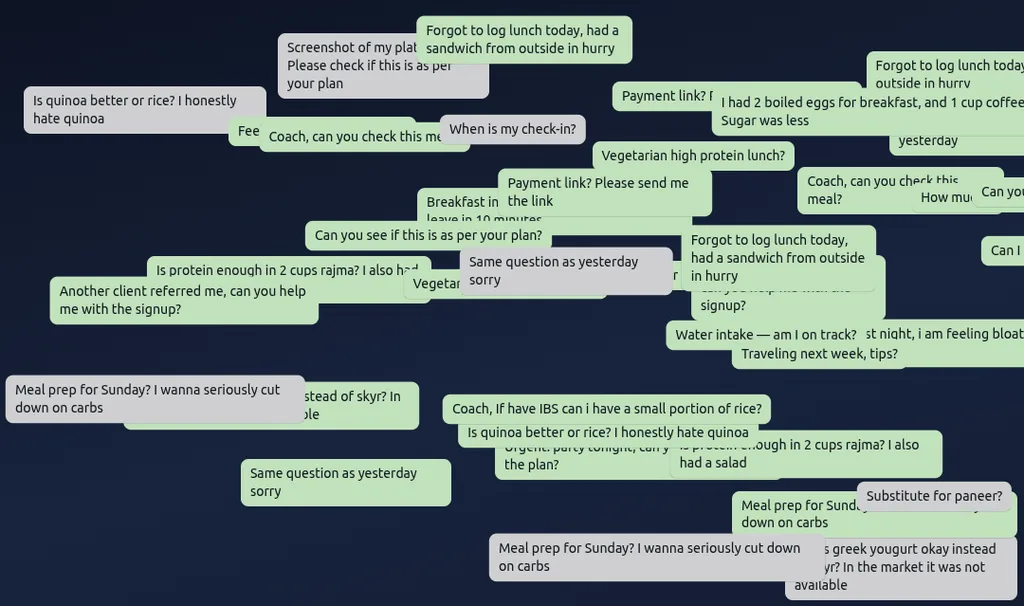
- Clients send meals on WhatsApp
- Forget updates
- Random logs
👉 This is where most systems break
Most nutritionists rely on WhatsApp, which creates zero structure and poor visibility. Tools like InGreedX Studio solve this by turning daily logs into structured client timelines automatically.
📊 Up to 35% clients drop out due to poor adherence (Vasiloglou et al., 2020)
Weekly check-ins
- Weight
- Energy
- Consistency
📊 Structured programs = 3x better results vs self-help (Wing et al., 2003)
Dietitian workflow — daily communication
- Questions
- Cravings
- Motivation
👉 This drives retention
📊 Behavior coaching improves adherence significantly (Spahn, 2010)
Adjustments
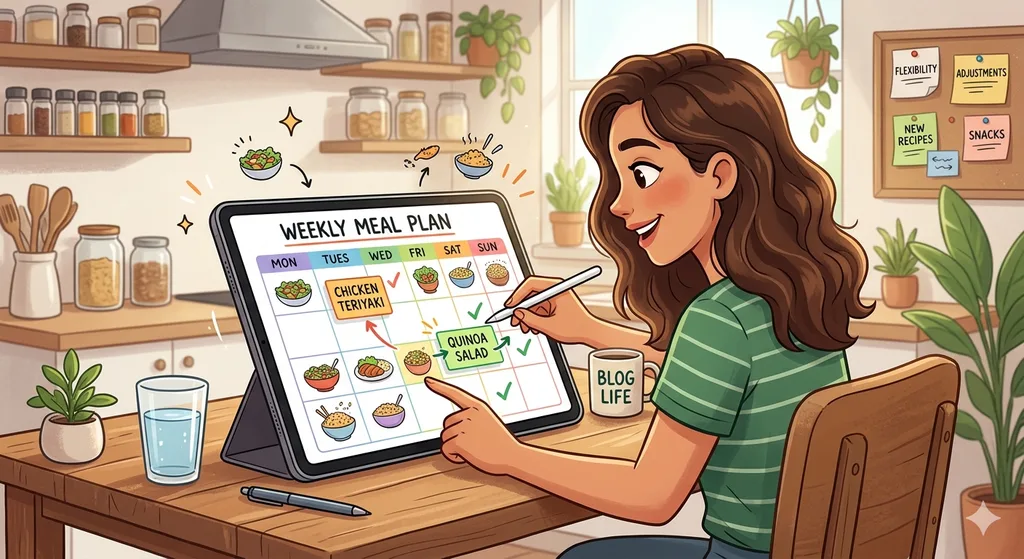
- Change meals
- Update calories
- Adapt continuously
👉 Good plans evolve
Retention
- Build habits
- Track long-term
📊 Consistent coaching = 4–6 kg sustainable weight loss (Vasiloglou et al., 2020)
The real problem
Even though the system is simple, execution is messy:
- WhatsApp chaos
- Manual tracking
- Missed follow-ups
📊 Only ~23% of patients even receive proper nutrition counseling (Brandt et al., 2024)
The shift
Top nutritionists don’t work harder. They use better systems:
- Organized tracking
- Clear visibility
- Less manual work
👉 That’s what actually scales a practice.
Structured coaching stacks—like meal logging that rolls into a coach dashboard—are where teams reduce noise and keep clients consistent. If you’re comparing tools for your dietitian workflow, start with the workflow that removes friction between “what the client ate” and “what you can see next.” Many teams now layer AI-assisted meal review on top of that system—see how nutritionists use AI in practice for a practical split between coach tools and client-facing label intelligence.
Want to manage clients without the chaos?
If you’re currently juggling WhatsApp chats, spreadsheets, and manual follow-ups, it’s not a discipline issue—it’s a system issue.
Tools like InGreedX Studio help nutritionists:
- Track client meals in one place
- Automate check-ins
- Get clear visibility across 50–100+ clients
Start with a structured workflow and scale without burnout.
Further reading: Read more articles related to Nutrtion and Client Management at Bebop Flo blog