PCOS Has Been Renamed PMOS: What the New Name Means and Why It Matters
For decades, polycystic ovary syndrome (PCOS) was the standard name for a condition affecting roughly 1 in 8 women worldwide. In May 2026, an international consensus published in The Lancet agreed on a new name: Polyendocrine Metabolic Ovarian Syndrome (PMOS).
If you coach clients with PCOS or follow women’s health news, this guide covers why the old name was misleading, what the PMOS meaning captures, and what the transition means in practice.
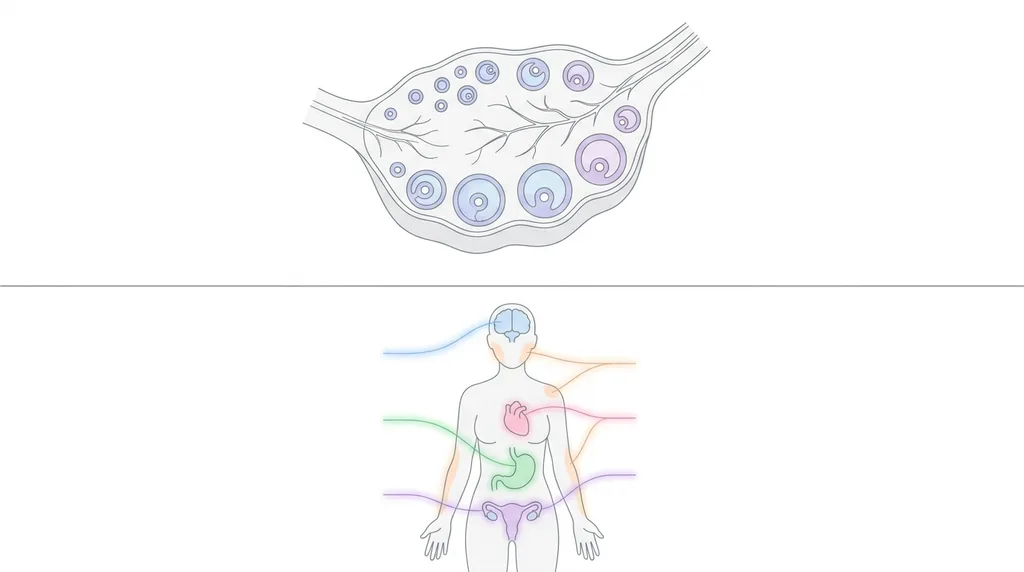
What is the PCOS new name?
The PCOS new name is Polyendocrine Metabolic Ovarian Syndrome (PMOS) — not because the underlying condition changed, but because the old label no longer matched what clinicians, researchers, and patients know about the disorder.
The rename followed a 14-year global process involving 56 academic, clinical, and patient organisations and 14,360 survey responses from people with lived experience and health professionals worldwide.
A three-year transition period is underway, with full implementation targeted for the 2028 International Guideline update. During this period, you will still see “PCOS” in medical records, apps, and research — and that is expected.
Why PCOS was misleading
The previous name caused real harm because it was inaccurate and incomplete.
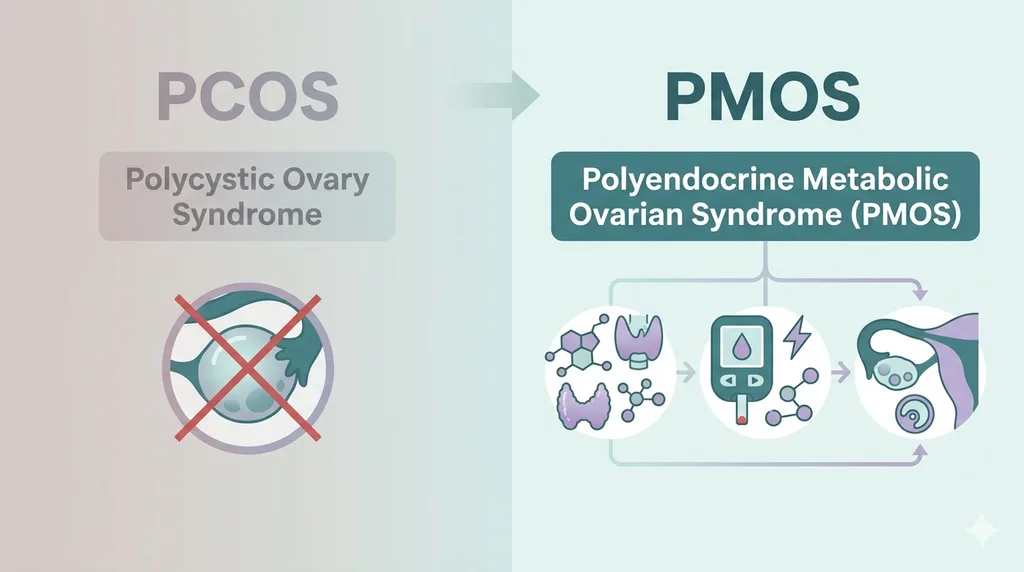
It implied ovarian “cysts.” Polycystic suggests pathological cysts, but ultrasound often shows small follicles — immature egg-containing structures — not the cysts most people picture. Many patients heard “cysts on your ovaries” and assumed something structurally wrong that did not reflect their diagnosis.
It over-focused on ovaries and fertility. PCOS sounded like a gynecological problem only. In reality, the condition spans endocrine, metabolic, dermatological, psychological, and reproductive features. Reducing all of that to “polycystic ovary” meant metabolic and mental health symptoms were dismissed or referred to the wrong specialist.
It delayed care and carried stigma. When a name centres on ovaries, metabolic and mental health features get less attention early. Surveys behind the rename found strong agreement the old term was misleading. In many cultures, a fertility-centred label also felt invalidating for people whose primary concerns were weight, skin, mood, or metabolic health.
What PMOS means
Polyendocrine Metabolic Ovarian Syndrome was chosen deliberately. Each word reflects part of the condition’s multisystem nature.
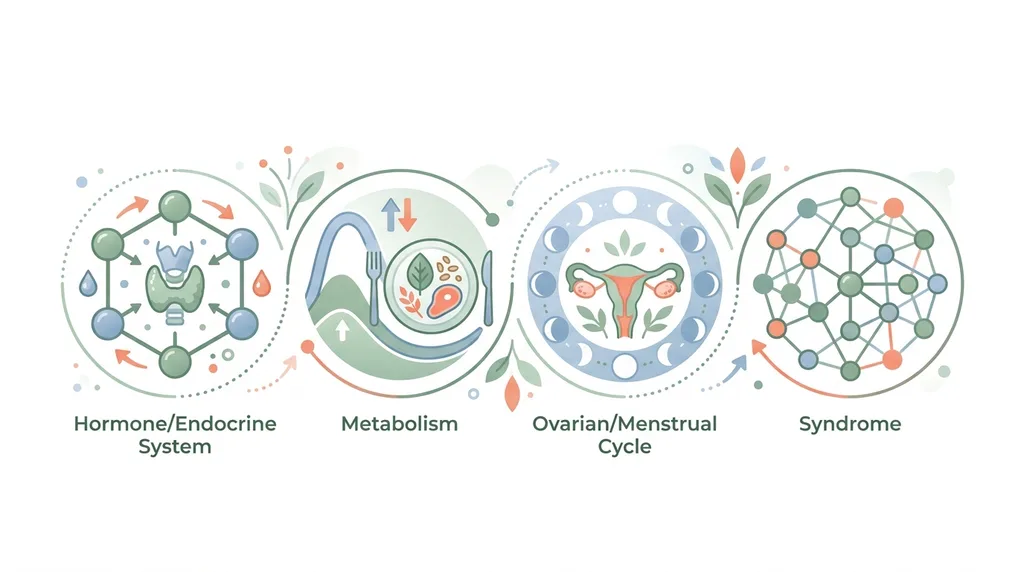
- Polyendocrine — multiple hormone pathways are involved, not a single hormone glitch.
- Metabolic — insulin resistance, weight regulation, blood sugar management, and long-term cardiometabolic risk are core, not optional add-ons. For nutrition professionals, this validates what many already see in clinic: metabolic nutrition is central care. Flexible tools like food exchange rules remain highly relevant for PMOS clients who need structured but adaptable meal planning.
- Ovarian — reproductive features still matter, but as one dimension of a broader syndrome, not the whole definition.
- Syndrome — a pattern of related signs and symptoms, not a single disease with one cause and one cure. PMOS presents differently across individuals.
Key details from the global consensus
| Detail | What it means |
|---|---|
| Publication | Consensus published in The Lancet, May 2026 |
| New name | Polyendocrine Metabolic Ovarian Syndrome (PMOS) |
| Process scale | 56 organisations; 14,360+ survey responses in the final rounds |
| Principles | Scientific accuracy, clarity, stigma reduction, cultural fit, feasible implementation |
| Transition | ~3 years of education and awareness before full guideline integration |
| Full rollout target | 2028 International Guideline update |
| Acronym choice | Accuracy was prioritised over keeping the PCOS acronym |
The implementation strategy is evolution, not overnight transformation. ICD codes, EHR templates, patient apps, and textbooks will update on different timelines.
What changes for nutritionists?
The biology has not changed. What changes is how we talk about it — and that affects coaching quality.
When you onboard nutrition clients, treat PMOS as a long-term metabolic-endocrine condition, not a fertility label. Capture cycle patterns, energy and blood sugar stability, weight history, skin, mood, and adherence barriers — not just calories.
PMOS explicitly names metabolic health, supporting evidence-based approaches around glycemic load, protein and fibre distribution, sustainable weight management, and long-term cardiometabolic risk reduction.
During the transition, use both terms when helpful:
“You may know this as PCOS. Clinicians are now moving toward PMOS — Polyendocrine Metabolic Ovarian Syndrome — because it better reflects the hormonal and metabolic parts of your care, not just ovaries.”
PMOS clients often need ongoing tracking that breaks down in unstructured WhatsApp threads. If your caseload is growing, why WhatsApp alone fails for nutrition client management explains the visibility gaps that hit hardest with complex, long-term conditions. Tools like InGreedX Studio help keep condition notes, meal logs, and client timelines in one place.
What has not changed (yet): existing diagnostic criteria still apply; medical records and insurance codes may still say PCOS for months or years; clients do not need to “re-diagnose” — this is a nomenclature update, not a new disease. Favour PMOS in new content while noting the legacy PCOS term for searchability.
Practical takeaway
PCOS renamed to Polyendocrine Metabolic Ovarian Syndrome (PMOS) because the old name was misleading, stigmatising, and too narrow.
PMOS meaning in plain terms: a multisystem hormonal and metabolic syndrome with ovarian and reproductive features — not a cyst disorder.
For nutritionists:
- Update how you describe the condition with clients
- Centre metabolic nutrition in your plans
- Use structured systems for onboarding, tracking, and check-ins
Explore more in our nutrition client management guide, or see how InGreedX Studio supports structured PMOS/PCOS workflows.
Further reading: More articles on nutrition coaching and client systems at the Bebop Flo blog.